

Self compassion for clinicians: what the research actually shows
Curious about taking the MSC program online? Read about what to expect here.


16 Signs You’re Taking It Home
The trauma exposure response shows up in 16 distinct ways, named by Laura van Dernoot Lipsky in Trauma Stewardship. Here's what each one looks like, grouped, plus what actually helps.

What Is Executive Dysfunction? (And Why It’s Not Just ADHD)
When people hear the term executive dysfunction, many immediately think of ADHD. While ADHD is one common cause, executive dysfunction is far broader—and far more misunderstood. Executive dysfunction can affect individuals living with ADHD, long COVID, depression, chronic pain, and more. For many people, executive dysfunction symptoms are mistaken for laziness, poor motivation, disorganization, or simply “not trying hard enough.”

What to Do When a Client Discloses Trauma (And You’re Not a Trauma Therapist)
A client shares something deeply personal.
Maybe it’s childhood abuse. Intimate partner violence. Medical trauma. A car accident. Chronic neglect. Workplace assault.
And suddenly, many healthcare professionals feel an immediate wave of uncertainty:
“Am I qualified for this?”
“What do I say?”
“Is this within my scope?”
“Do I need to treat the trauma?”
If you’re an OT, PT, RMT, nurse, physician, or allied health provider, this moment can feel intimidating.
But here’s what many clinicians need to hear:
You Do Not Need to Be a Trauma Therapist to Respond Safely and Effectively

Scared You’ll Say the Wrong Thing? A Trauma-Informed Guide for Healthcare Professionals
A client begins sharing something painful.
Maybe it’s abuse. Medical trauma. Childhood neglect. Workplace violence. A devastating loss.
And in that moment, many healthcare professionals have the same internal reaction:
“What do I say?”
“What if I make this worse?”
“What if I accidentally retraumatize them?”
If this sounds familiar, you’re not alone.

No Diagnosis? No Problem: How Occupational Therapy Supports Function First
Do I need a diagnosis to benefit from occupational therapy? No way! Read on to find out why.
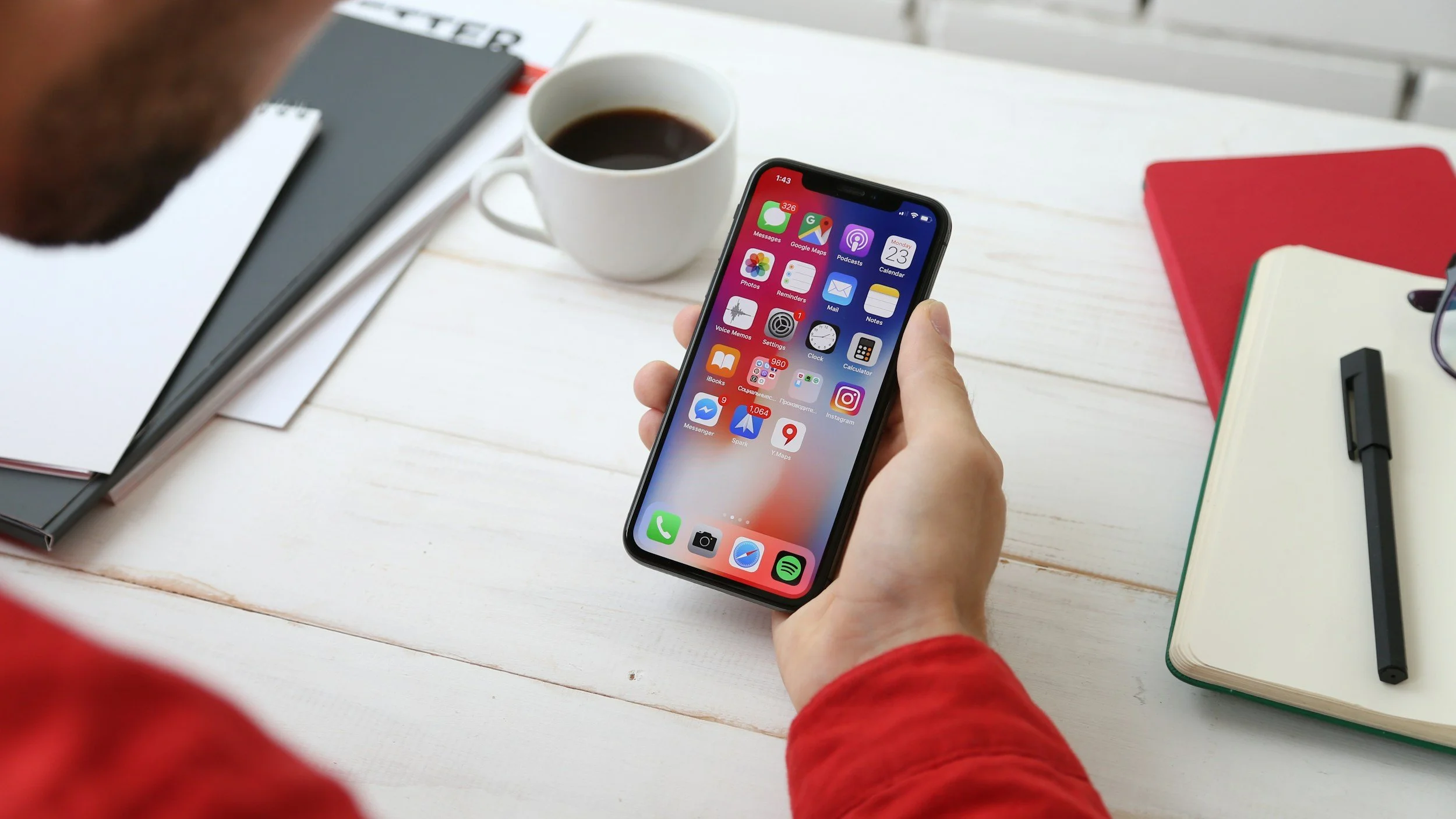
Mindfulness App or Mindfulness Training? Why Depth Still Matters
What do we lose with meditation apps over in-depth mindfulness training?

How to Integrate Trauma-Informed Care Into Your Scope (OT, PT, RN, RMT & More)
What would look different in your day to day practice if you were providing trauma informed care? From education, to resources, language changes, and modifications to the physical environment - read all about it here.

Ergonomic Assessment in the Workplace: A Cost-Effective Solution
Individualized ergonomic assessment is not always required. Group lunch and learns on the topic of ergonomics can offer practical and actionable prevention for your team. We contrast, compare & even combine the options in this blog.

Welcoming Our New OT, Emily Gambling
Learn a little bit more about our newest team member, Occupational Therapist - Emily Gambling!
How an Online MSC Course Works
Curious about taking the MSC program online? Read about what to expect here.
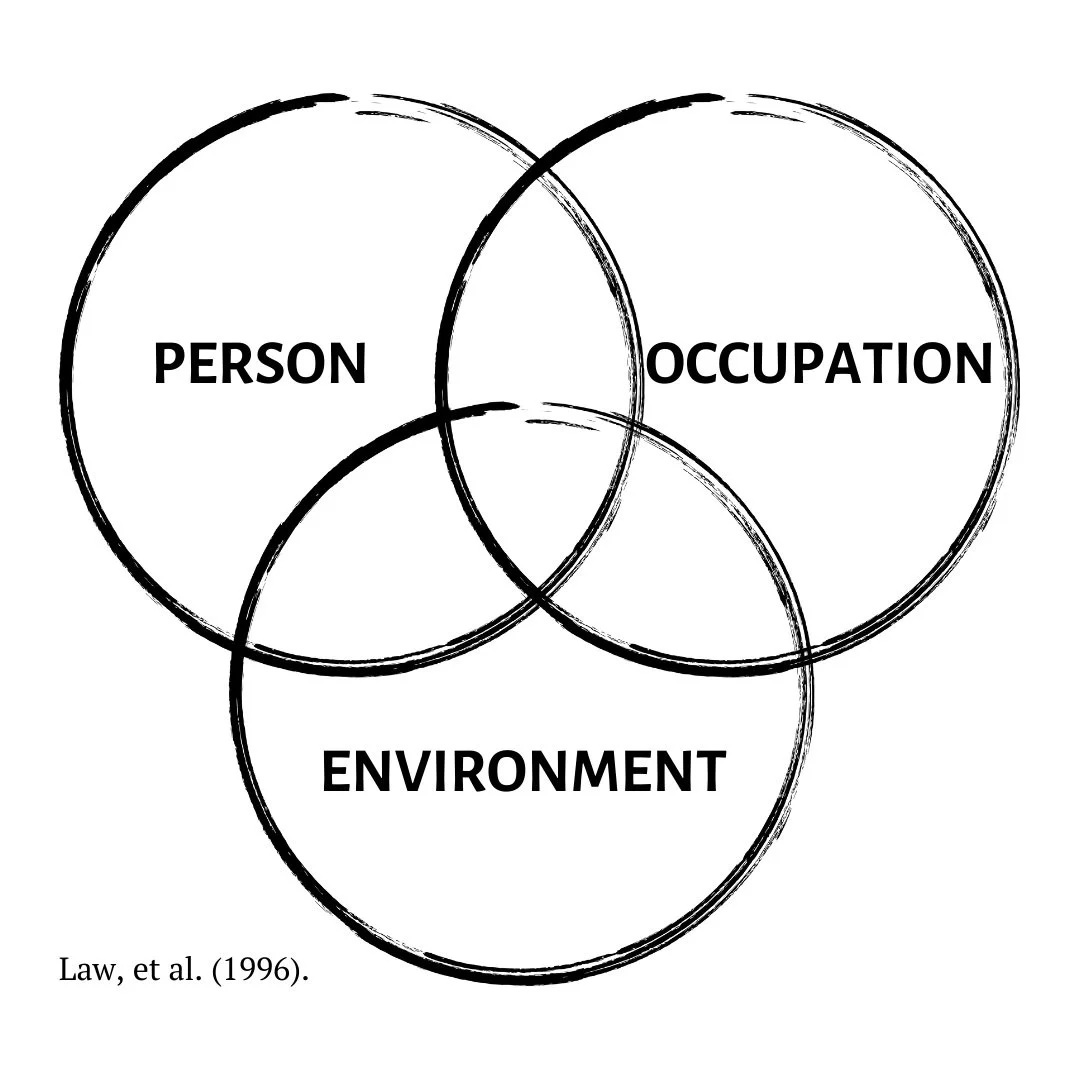
What to Expect in Your First Occupational Therapy Visit
What to expect in an occupational therapy assessment.
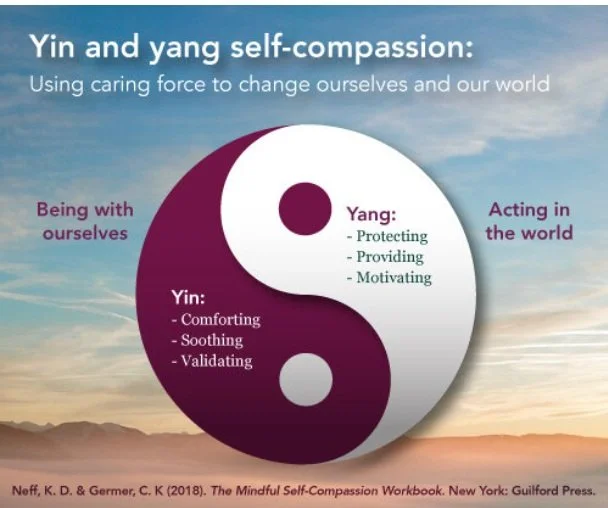
Myth Busting: Why Self-Compassion Isn't What You Think
Many people hesitate to practice self-compassion because of common myths: “It’s self-pity, it’s weak, it will make me complacent, it’s selfish, or even narcissistic.”
The truth? Research shows the opposite. Self-compassion strengthens resilience, fuels motivation, and makes us more present and caring toward others. For healthcare professionals especially, learning to treat ourselves with the same kindness we extend to patients is not indulgence—it’s a lifeline against burnout.
👉 Read the full blog to explore how these myths hold us back, and how practicing self-compassion can restore balance in both work and life.
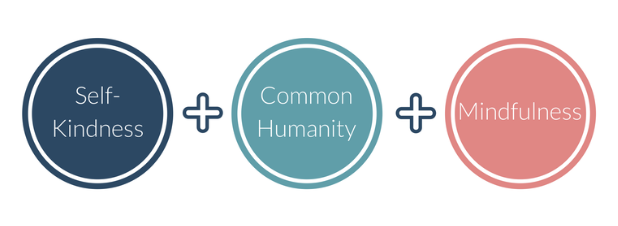
What is Self-Compassion and Why Do We Need More of It?
A roadmap to bringing in more self-compassion.